
When temperatures are freezing outside and your breath becomes visible, many people first think of warm clothing and good footwear for their workout – but a crucial factor is often underestimated in winter: proper hydration. Even in the cold, the body loses a lot of water through sweat and breath during exercise, without us always directly noticing it. But how much should you actually drink when exercising in winter to stay fit and healthy? We will explore this very question in the following.
How much Water Do We Generally Need During Exercise?
Proper hydration is a crucial factor for your performance. Even a fluid loss of just 2% of body weight due to sweating can have noticeable effects. In one study, runners with this dehydration became slower and felt significantly more exhausted – a clear sign of how strongly the body reacts to water deficiency.
Are there Guidelines for Fluid Intake?
Generally, you should consume about 35–45 ml of fluid per kilogram of body weight per day – which corresponds to about 2.5 liters for a 70 kg person. If you exercise in addition, the requirement increases: For every hour of training, an additional 500–700 ml is recommended. However, this amount can vary depending on individual factors such as sweat rate, intensity, and ambient temperature.
By the way: Even in winter, your body loses a surprising amount of water – not necessarily through heavy sweating, but because the cold air contributes to dehydration through breathing and the skin. You can find more about this in our Running in Winter article.
Overview of Hydration Recommendations by Run Duration

Water Alone is not Always Enough - these are the Basics of Hydration!
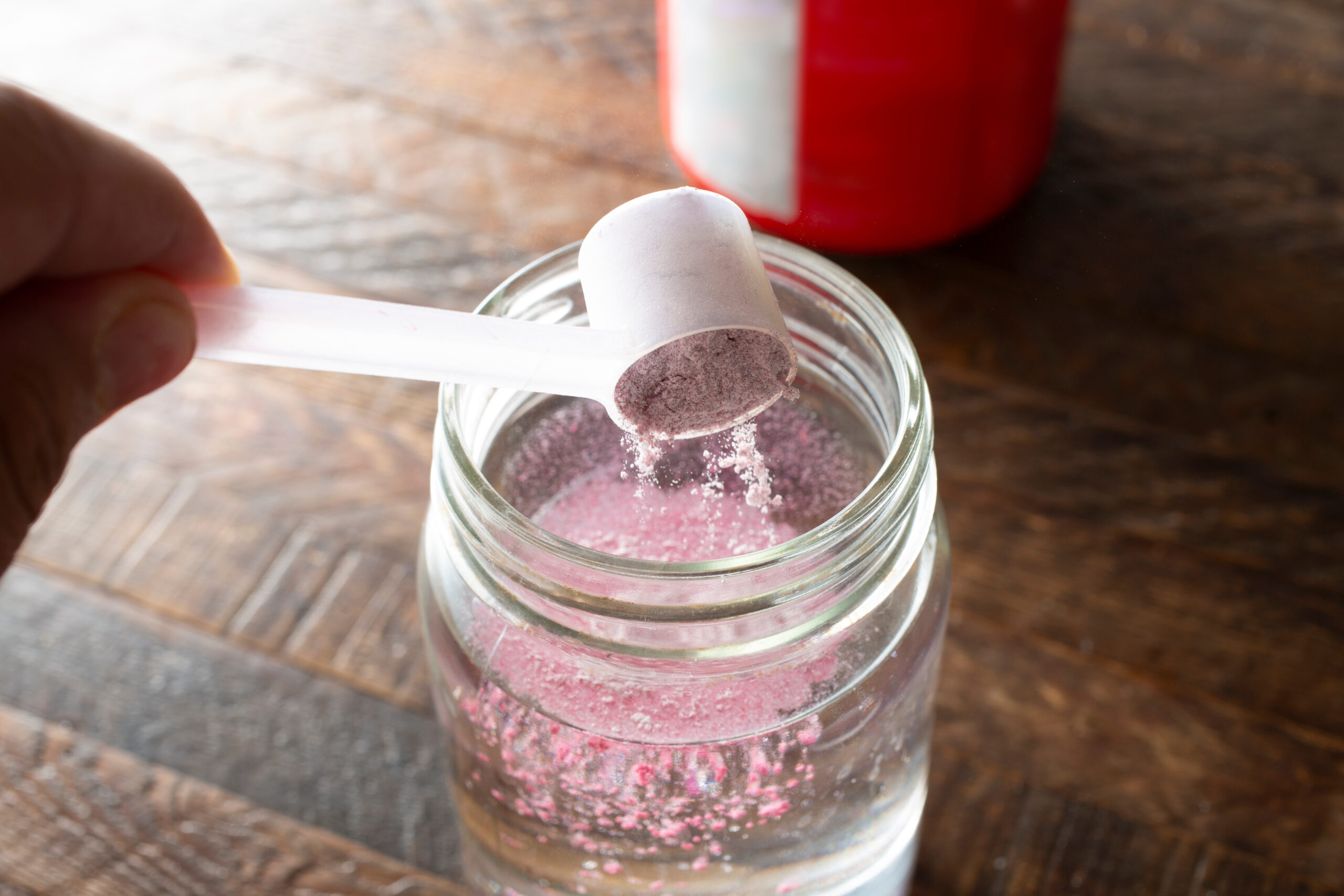
When you sweat, you lose not only water but also important minerals such as sodium and potassium. To compensate for this loss, the American College of Sports Medicine recommends consuming 300–600 mg of sodium and 100–200 mg of potassium per hour during intense exercise – this primarily supports the natural function of the muscles. However, with a balanced diet, you usually already consume enough potassium, so additional supplements are not always necessary. However, if you want to be absolutely sure, it's best to consult a sports medicine professional.
According to current knowledge, specially formulated sports drinks, electrolyte tablets, and – somewhat surprisingly, but effectively – coconut water are among the best options for runners to specifically replenish fluids and minerals.
A small but often forgotten tip: You don't have to cover your fluid needs exclusively through drinks. Foods like fruits, soups, or vegetable dishes also contain a lot of water. For example, if your after-workout meal consists of a steaming noodle soup with vegetables, you've not only consumed energy and nutrients but also a good portion of fluids and sodium.
The golden rule of fluid intake: Not too late, not too much
Targeted fluid intake before training or competition can significantly support your performance – provided it occurs at the right time and in the appropriate amount.
It is optimal to drink about 1–2 hours before the run around 400–600 ml of water or a light sports drink. This gives your body enough time to absorb the fluid, and you can comfortably go to the restroom beforehand – without any time pressure.
On the other hand, it is less advisable to drink larger quantities directly before the start. Half a liter "on the fly" can quickly lead to an uncomfortable feeling of fullness. The so-called "water belly" sloshes with every step – making running unnecessarily uncomfortable.
A sensible compromise: To drink a small glass (100–150 ml) about 15 minutes before the start. This keeps the mucous membranes moist, supports concentration – and mentally helps you switch into active mode.
For runs under 45 minutes, your previous water reserves are usually sufficient. But: If it's warm or you sweat heavily, even a short run can make you thirsty.
After 60 minutes, you should rehydrate.
After about an hour of running, the topic of fluid becomes acute. A good guideline is 150 to 250 milliliters every 20 to 30 minutes – ideally in small sips, not as frantic gulping.
Goal: about 150–250 ml every 20 minutes, depending on weather and sweat rate.
And don't worry – you don't have to jog with a thermos under your arm. There are clever solutions:
- Hydration belts with small bottles
- Soft flasks that are barely noticeable in hand
- Running vests with integrated hydration system
Important: Try it out in training – nothing is more annoying than a bouncing bottle during a race. Those who regularly run longer distances will find the right hydration system with a bit of experimentation: whether light bottles in a belt, flexible soft flasks for the hand, or hydration packs with a tube system – all a matter of comfort and training goal. It's important to practice drinking during training – not just during the race.
Hydration after Running: Recovery through Targeted Fluid Intake
After stopping, the first impulse is usually a well-deserved break – and that's generally correct. Nevertheless, even if thirst is often not yet noticeable immediately after the run, the body urgently needs fluids now to compensate for water and electrolyte loss and to support recovery.
A simple but proven indicator of your hydration status is the color of your urine:
Light yellow = Optimal hydration
Dark yellow or amber = Fluid deficiency, replenishment required
Almost clear = Possibly too much consumed
This visual assessment helps you better estimate your fluid needs after the run – especially in warm weather or during long sessions.
As a general guideline:
1 to 1.5 liters of fluid per kilogram of body weight lost
This means: A scale before and after training can – especially during long or intense sessions – provide valuable insights into individual fluid loss. If you don't feel significant thirst after the run, you can also rehydrate through water-rich foods.
Suitable options include:
Vegetable soups or broths
Watermelon and other water-rich fruits
Isotonic drinks
Unsweetened herbal tea
What's crucial is not the form of fluid intake, but the targeted restoration of fluid balance.
After sessions with heavy sweating – for example, during:
Interval training
Long runs
Competitions
it is advisable to specifically supplement electrolytes, especially sodium, An electrolyte drink can accelerate recovery, prevent muscle cramps, and stabilize fluid balance more quickly.
FAQ / Running Myths Debunked
The old rule that you have to drink "two liters of water a day" persists – but it's too general. How much you actually need depends on your body weight, activity, and daily routine. Those who sweat a lot need to drink more. Those who are mostly sedentary can get by with less. It's crucial to listen to your body's signals – thirst, concentration, urine color are often better guides than any rule of thumb.
Better: Pay attention to your thirst, your urine color – and your running style.
And what about coffee? Good news: In normal amounts, it does not dehydrate most people – at least not if consumed regularly. Caffeine has a mild diuretic effect, but studies show: Regular coffee drinkers do not lose more fluid. So, coffee is officially counted towards your daily fluid balance.
Conclusion
Adequate fluid intake is a central component of every effective running and training routine. Water supports thermoregulation, protects joints, promotes nutrient supply to the muscles, and contributes to overall performance. Those who keep a targeted eye on their fluid balance – before, during, and after training – create optimal conditions for endurance, recovery, and a healthy body feeling. Even small adjustments in drinking habits can have long-term noticeable effects on well-being and training performance.