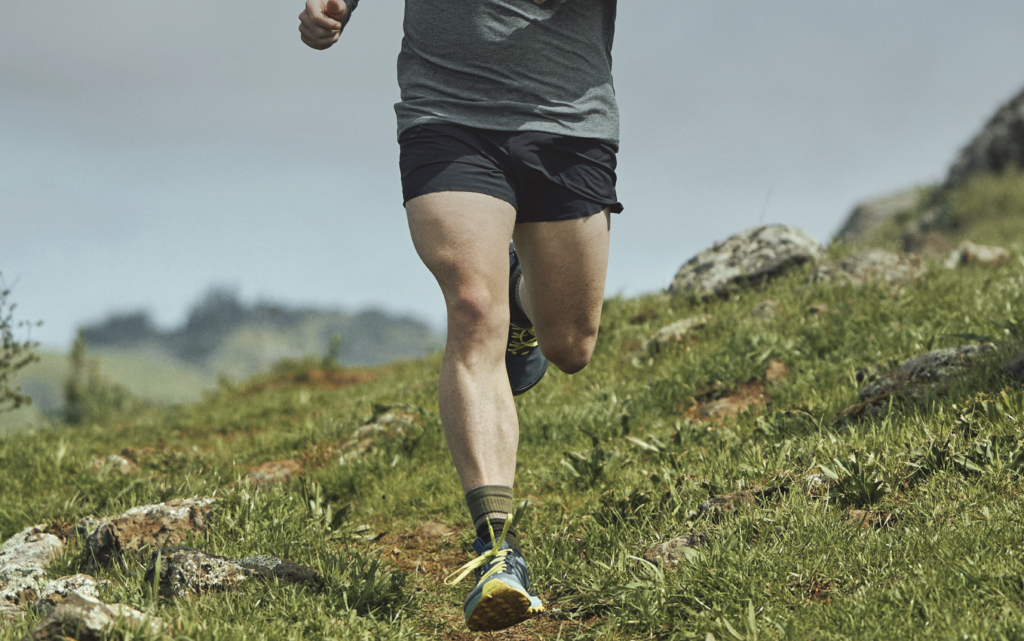
Running injuries are frustrating – they not only throw You not only out of Your usual training, but can also affect Your entire daily routine. However, besides physical therapy and rest, there's an often underestimated factor that can significantly support Your regeneration: the right nutrition. What You eat can accelerate the healing process and You faster back on the running track. In this post, You will learn which nutrients are particularly important and which foods You should prefer. You, which nutrients are particularly important and which foods You should prefer.
A Post by our Team Athlete

Why is Nutrition so Important for Healing?
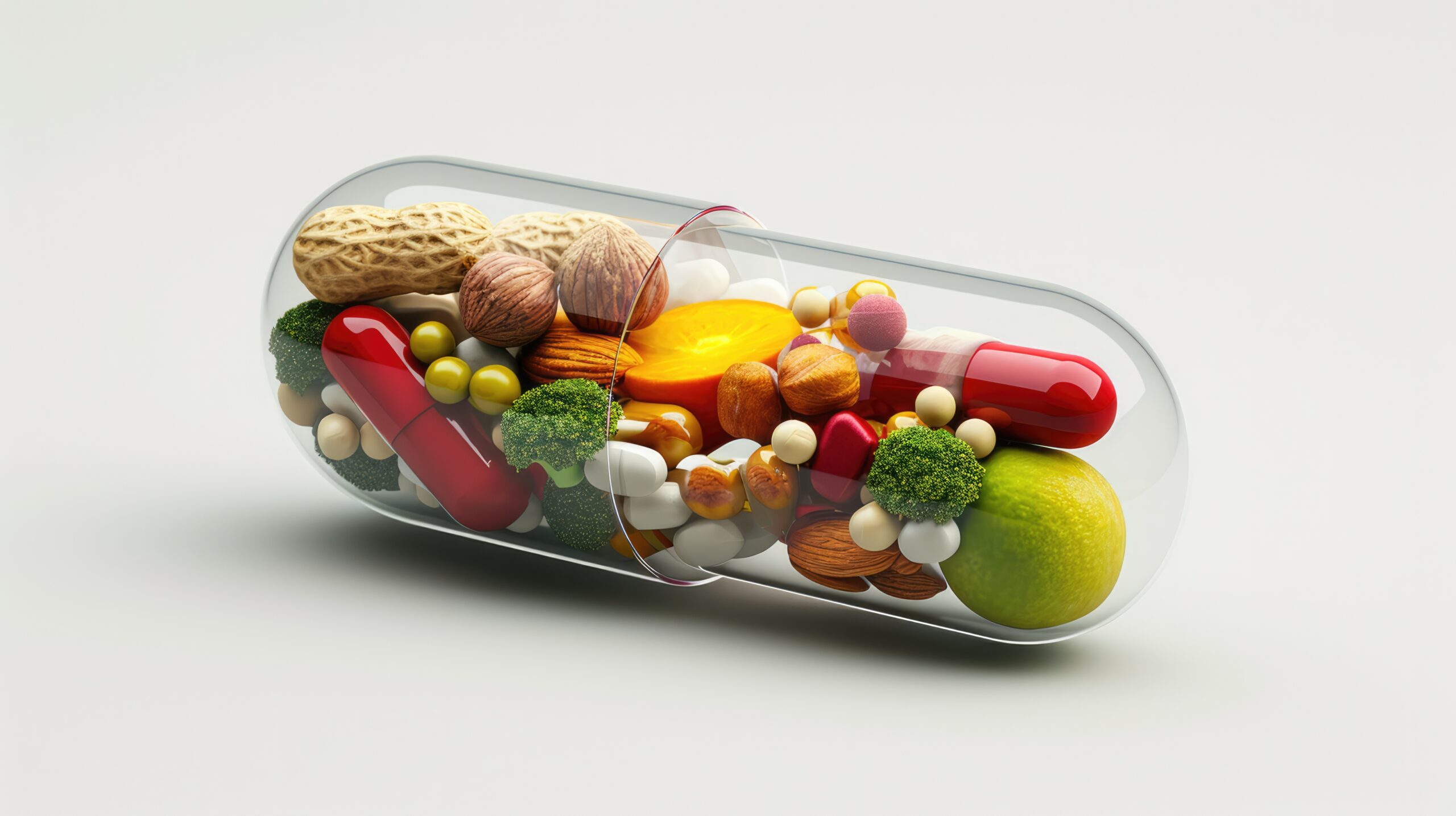
A balanced diet plays a central role in the healing of running injuries. Your body needs a variety of nutrients to repair damaged tissue, reduce inflammation, and form new cells. The right nutrition can not only accelerate the healing process but also improve the quality of regeneration. If your body lacks essential building blocks, this can delay healing or lead to incomplete recovery. During an injury, Your body works at full capacity to restore damaged structures like muscles, tendons, ligaments, or bones. Three central processes play a role here:
In the first phase of healing, Your body reacts with inflammation to break down damaged tissue and initiate the healing process. Certain nutrients help to regulate these inflammations and avoid excessive swelling.
Your body forms new muscle, bone, or connective tissue cells. For this process, it needs protein, vitamins, and minerals.
A strong immune system is necessary to avoid infections and complications during the healing process. A nutrient-rich diet helps to strengthen your immune system.
The Phases of Healing and Their Nutritional Needs
Depending on the type and severity of the injury, healing proceeds in several phases. Your nutrition should be adapted accordingly:
Inflammatory Phase (0-5 Days)
In this phase, a natural immune response occurs with swelling and pain. Anti-inflammatory foods like omega-3 fatty acids, ginger, and turmeric can help regulate this phase.
Repair Phase (5-21 Days):
The body begins cell regeneration and now requires particularly high amounts of protein, vitamin C, and zinc.
Building and Stabilization Phase (from Week 3):
Now it's about strengthening the tissue and making it resilient again. Calcium, magnesium, and vitamin D are particularly important for bone and muscle strengthening.
Important Nutrients for Faster Regeneration
Proteins are essential for the repair of muscle tissue and tendons. Ensure an adequate protein intake from:
- Lean Meat (Chicken, Turkey, Beef)
- Fish (Salmon, Tuna, Trout)
- Dairy Products (Quark, Yogurt, Cheese)
- Plant-Based Sources (Legumes, Nuts, Tofu, Tempeh)
Tip: Distribute your protein intake throughout the day to ensure a constant supply.
These healthy fats help reduce inflammation and accelerate healing. Good sources include:
- Fatty Fish (Salmon, Mackerel, Sardines)
- Flax and Chia Seeds
- Walnuts
- High-Quality Plant-Based Oils (Flaxseed Oil, Walnut Oil)
Free radicals can slow down the healing process. Antioxidants neutralize them and support your immune system. Focus on:
- Berries (Blueberries, Raspberries, Strawberries)
- Green Vegetables (Spinach, Broccoli, Kale)
- Nuts and Seeds
- Dark Chocolate (min. 70% Cocoa)
Especially with bone injuries, these two nutrients are essential. Find them in:
- Dairy Products
- Dark Leafy Greens
- Eggs
- Fatty Fish
- Sunlight (Vitamin D Synthesis in the Skin)
Magnesium helps prevent muscle cramps, and zinc supports cell regeneration. Good sources include:
- Whole Grain Products
- Bananas
- Almonds and Cashews
- Pumpkin Seeds
- Seafood
Foods You should Avoid
Not all foods promote Your regeneration. These you should You avoid during the injury phase:
- Sugar-rich products: Promote inflammation and slow down the healing process.
- Highly processed foods: Often contain unhealthy fats and additives.
- Alcohol: Not only negatively affects your running performance, but also slows down protein synthesis and impairs regeneration.
- Trans fats (e.g., in fast food): Promote inflammation and disrupt cell regeneration.
The Importance of Fluid Intake
Besides solid food, adequate fluid intake also plays a crucial role. Water helps to transport nutrients efficiently and remove waste products from the body. Pay attention to:
- At least 2-3 liters of water daily
- Unsweetened teas with anti-inflammatory effects (e.g., ginger, chamomile, or green tea)
- Coconut water as a natural electrolyte source
The Influence of Gut Health on Regeneration

The gut is not only responsible for digestion but also plays a crucial role for the immune system and inflammation regulation. A healthy gut flora can improve nutrient absorption, reduce inflammation in the body and strengthen the immune system.
How a Healthy Gut Supports Regeneration
An intact gut flora ensures that proteins, vitamins, and minerals can be optimally utilized.
Certain gut bacteria produce short-chain fatty acids that have an anti-inflammatory effect and thus positively influence the healing process.
A large part of the immune system resides in the gut. A healthy gut can reduce infections and complications during recovery.
Foods for a Healthy Gut Flora
To promote gut health, you should incorporate the following foods into your diet:
Yogurt, kefir, sauerkraut and kimchi contain healthy bacteria that support gut flora.
Fiber-rich foods like oatmeal, flaxseed, onions, garlic, chicory, and bananas serve as food for good gut bacteria.
These contain natural probiotics that improve the balance of gut flora and promote digestion.
Whole grain products, legumes, and vegetables stimulate bowel activity and support healthy digestion.
What You should Consider During your Healing Process
Avoid Emotional Eating
A running injury can trigger frustration and boredom, leading many people to reach for unhealthy snacks. However, emotional eating can negatively impact the healing process, as sugar- and fat-rich foods can promote inflammation. Pay attention to whether You are truly hungry or if You are eating out of boredom or frustration, and if you crave snacks, reach for nuts, fruit, or yogurt.
The Importance of a Positive Attitude
An optimistic attitude can positively influence the healing process. Instead of focusing on what is currently not possible, it helps to see the injury as an opportunity for conscious nutrition and mental strength. A nutrient-rich diet can not only promote physical healing but also contribute to You Yourself feel more mentally balanced and motivated. Thereby can among other things Meditation, breathing exercises or alternative activities like reading or light exercise help.
Conclusion
Your nutrition can have an enormous influence on how quickly You get back on your feet after a running injury. By consciously choosing healing-promoting foods, you can You reduce inflammation, support cell regeneration and optimize your bodily functions. Give up unhealthy foods and focus on a nutrient-rich diet – Your body will thank You. Be patient, give Your body the time it needs, and soon You will be back on the running track full of energy!